The Psychology Behind Words You See Daily
Your Brain Believes What It Sees Often
Your brain is built for repetition.
When you see the same words every day, they don’t stay neutral. They start to feel familiar. And familiar feels true.
This is called the “mere exposure effect.” The more you’re exposed to something, the more comfortable and believable it becomes.
If you constantly see:
“I mess things up.”
That thought gets stronger.
If you constantly see:
“I handle challenges.”
That thought gets stronger too.
Daily words shape daily beliefs.
Repetition Builds Mental Pathways
Your brain works through pathways. The more you think a thought, the stronger that pathway becomes.
It’s like walking the same trail over and over. It becomes easier to travel.
If your morning starts with:
“I’m overwhelmed.”
That trail gets deeper.
But if you repeatedly see:
“One step at a time.”
You build a different trail.
Over time, your brain starts offering that thought faster and more automatically.
Visual Cues Interrupt Negative Spirals
Negative thinking often runs in the background without you noticing.
A visual cue stops that loop.
When your eyes land on a short, clear phrase, it forces your brain to pause and process new information.
That pause is powerful.
Instead of letting anxiety build momentum, you insert a new sentence into the mix.
And that one sentence can shift your next decision.
Environment Shapes Behavior More Than Willpower
Most people think change comes from motivation.
It doesn’t.
It comes from environment.
If your space is filled with stress cues, clutter, and reminders of pressure, your mood follows.
If your space includes supportive words, clear messages, and steady reminders, your thinking shifts.
You don’t have to rely on willpower when your environment does part of the work.
Short Phrases Work Better Than Long Advice
Your brain prefers simple.
Long paragraphs don’t stick when you’re stressed.
Short phrases do.
“Keep going.”
“Pause. Think. Choose.”
“Progress, not perfection.”
They’re easy to process. Easy to remember. Easy to repeat.
And simple phrases are easier to act on.
Words Influence Identity
The words you see daily don’t just affect mood. They affect identity.
If you regularly see:
“I am learning.”
You start acting like someone who grows.
If you regularly see:
“I set boundaries.”
You start practicing it more.
Identity drives behavior. And repeated words shape identity quietly over time.
Morning Exposure Is Especially Powerful
Your brain is more suggestible in the first hour after waking.
That’s when thoughts sink in deeper.
If the first messages you see are stress-driven, your day starts tense.
If the first words you see are steady and focused, your day starts with direction.
Morning exposure matters more than people realize.
Why This Makes Everyday Objects Powerful
Objects you use daily become psychological anchors.
If something is in your hand every morning, the message on it carries more weight.
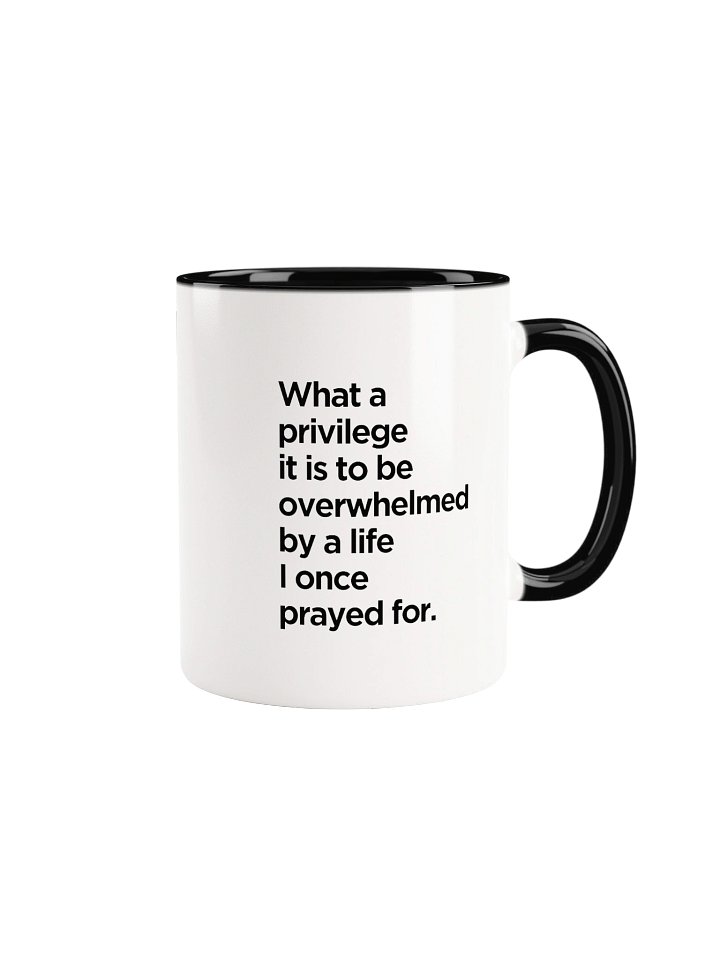
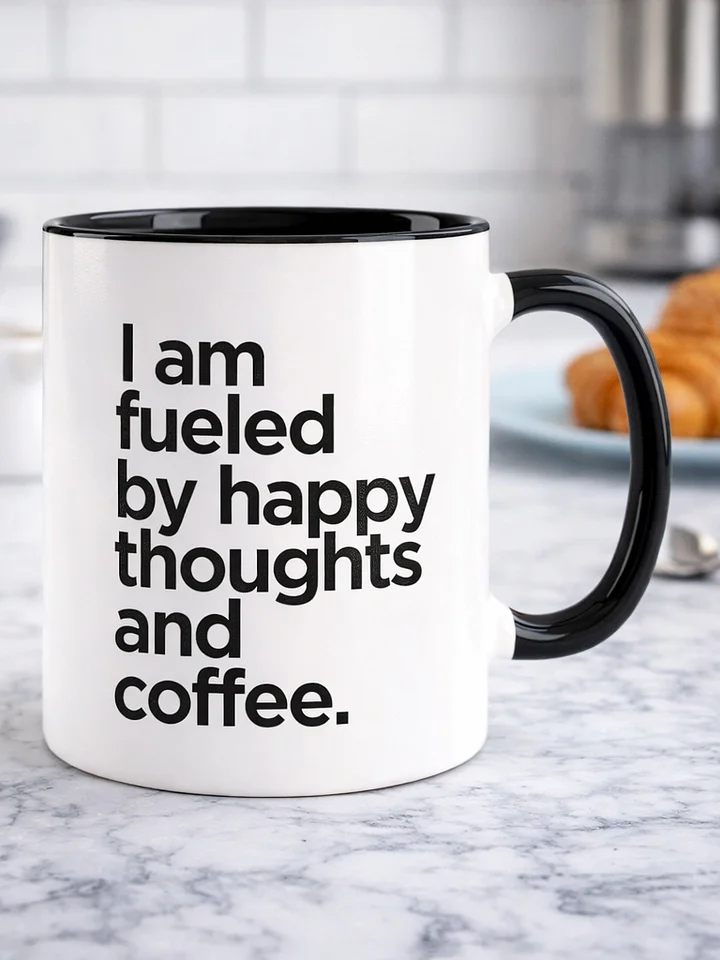
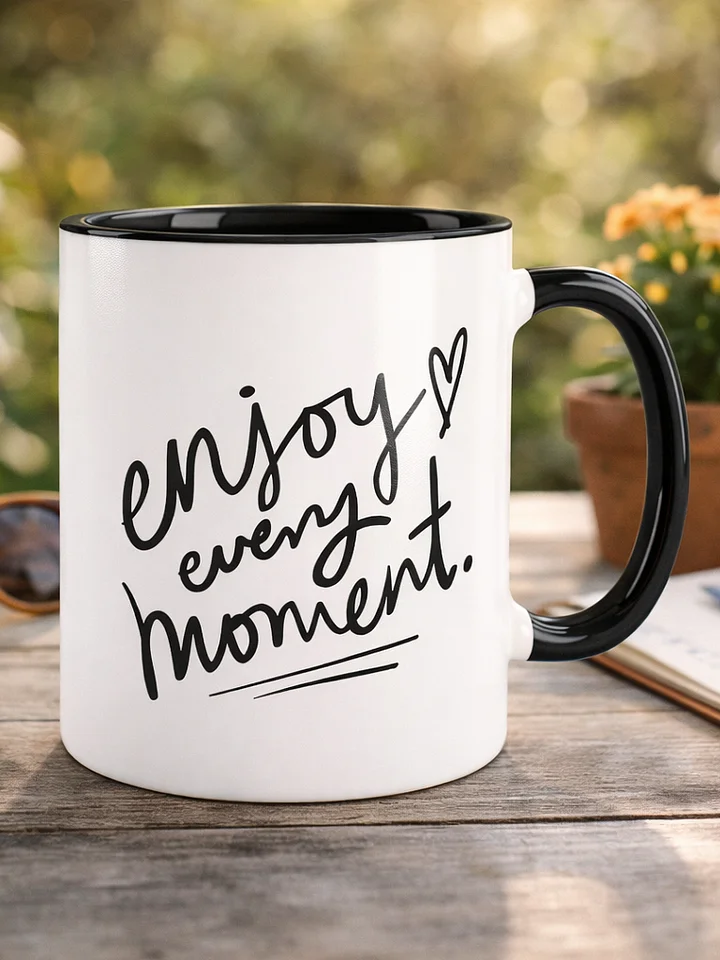
A mental health mug isn’t just decoration.
It’s:
• A repeated cue
• A thought interrupter
• A mindset trainer
• A small daily reset
Used intentionally, it becomes part of your thinking routine.
How to Use Daily Words Actively
Don’t just glance at them.
When you see the phrase, ask:
“What does this mean for my next action?”
If it says:
“Start where you are.”
Then take one small action immediately.
If it says:
“Stay steady.”
Then slow your breathing and respond instead of reacting.
Turn the words into behavior.
That’s when they stop being decoration and start being change.
Final Thought
The words you see every day are not harmless.
They shape beliefs.
They guide choices.
They influence identity.
If you’re going to look at something daily, let it be something that strengthens you.
Small exposure.
Daily repetition.
Real impact.